



Overview
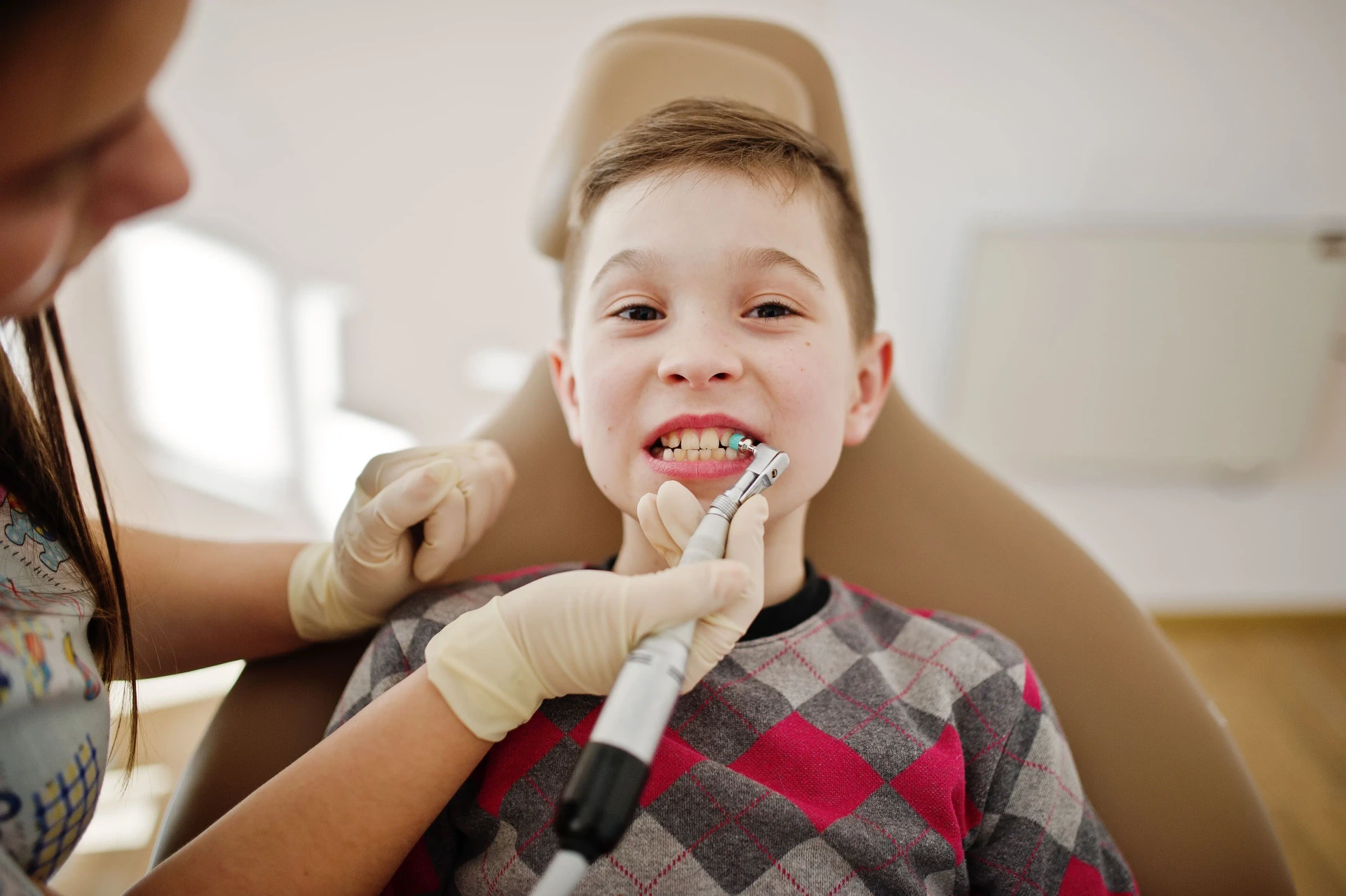
It’s easy to think of mouth breathing as a small habit, but in a growing child it can influence how the jaws, face, and teeth develop. Children are meant to breathe through the nose with the lips gently together and the tongue resting on the roof of the mouth. When a child breathes through the mouth most of the time, that resting posture is lost, which over years can affect the shape of the jaws, the position of the teeth, and the bite.
Mouth breathing can have several causes — blocked or narrow nasal passages, enlarged tonsils or adenoids, allergies, or a long-standing habit. Because the cause matters, our first job is to work out why it’s happening. Sometimes that means we refer a child to an ENT specialist or their doctor for the airway side, while we focus on the effects on the teeth, jaws, and oral habits.
The value of looking at this early is that a child is still growing, so gentle, well-timed guidance can steer development in a healthier direction. We assess your child, explain what we find in plain language, and recommend whether monitoring, habit and myofunctional guidance, or early interceptive treatment is the right next step.
Who is it for?
- Assessment suits children who breathe through the mouth much of the day, sleep with their mouth open, snore, or have disturbed sleep.
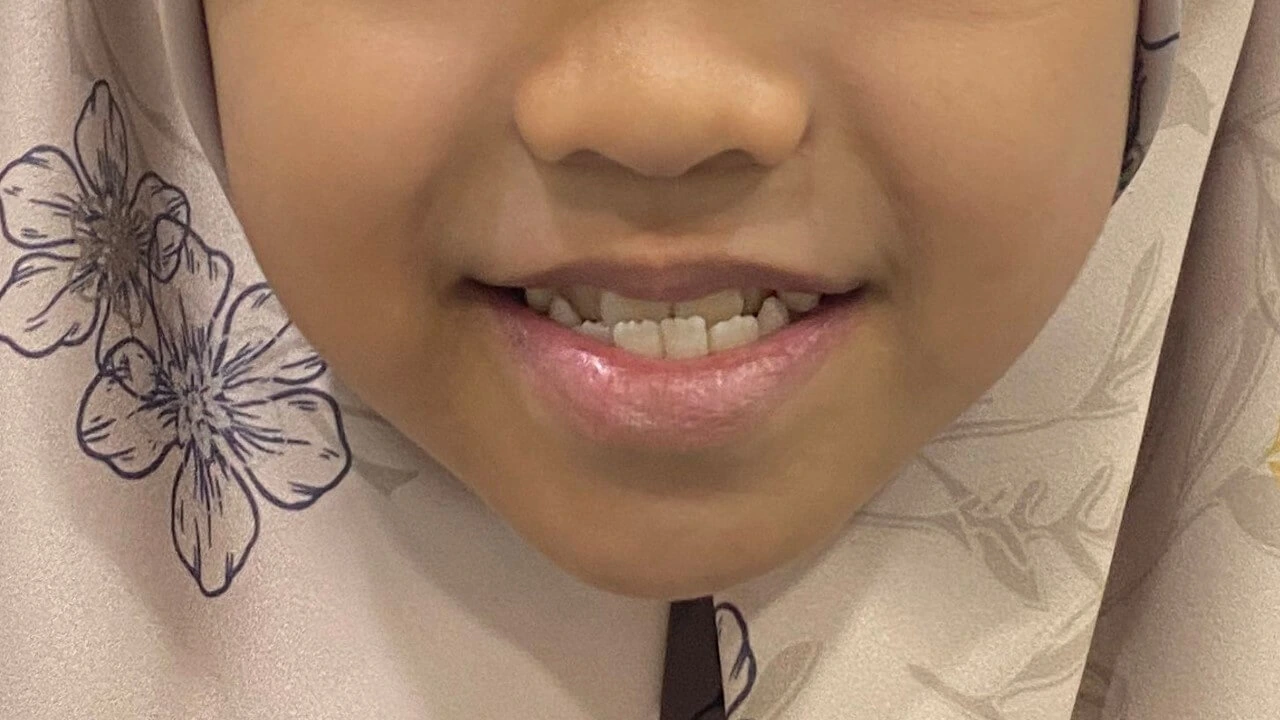
- It’s relevant where parents notice a long-standing habit, or where a narrow palate, crowded teeth, or an unusual bite may be developing.
- It’s important when there are signs the airway is involved — frequent congestion, enlarged tonsils or adenoids, or allergies — as these may need an ENT or medical opinion alongside dental care.
- The earlier a child is assessed while still growing, the more we can gently guide healthy development.
- This isn’t a self-diagnosis checklist — we examine your child and, where needed, coordinate with other specialists to find the cause before recommending treatment.
What to expect
- 01Assessment — we examine your child’s teeth, jaws, bite, and oral habits, ask about breathing, sleep, and allergies, and look for signs of an airway cause.
- 02Finding the cause — where a blocked nose, enlarged tonsils or adenoids, or allergies may be involved, we refer to an ENT specialist or doctor so the underlying cause can be addressed.
- 03Explanation & plan — we explain in plain language what we’ve found and how it may be affecting your child’s development, and recommend the right next step.
- 04Guidance & treatment — this may include myofunctional guidance to encourage nose breathing and correct tongue and lip posture, or early interceptive orthodontic treatment where the bite or jaws need it.
- 05Review — because your child is still growing, we monitor progress over time and adjust the plan as needed.
Benefits
- Supports healthy growth — addressing mouth breathing early helps the jaws, face, and teeth develop in a healthier direction.
- Finds the real cause — we look beyond the habit to airway and medical factors and coordinate care where needed.
- May reduce later treatment — early guidance can lessen the need for more complex orthodontic work down the line.
- Better sleep and habits — encouraging nose breathing can support more settled sleep and healthier oral habits.
How mouth breathing links to other children’s treatments
Mouth breathing rarely sits on its own — it often connects to how a child’s bite and jaws are developing. Here’s how the related options fit together.
| Service | Addresses | Invasiveness |
|---|---|---|
| Mouth Breathing | Assessing the cause and effects of habitual mouth breathing | Assessment and guidance; referral where needed |
| Early Interceptive & Myofunctional Treatment | Guiding jaw and bite development while a child grows | Early, growth-friendly appliances and exercises |
| General Dentistry for Children | Routine monitoring of a child’s dental development | Non-invasive examination and prevention |
Frequently asked questions
Why is mouth breathing a problem for my child?
In a growing child, habitual mouth breathing changes the natural resting posture of the tongue and lips, which over time can affect how the jaws, face, and teeth develop and how the bite forms. Addressing it early, while your child is still growing, gives the best chance to guide healthier development.
What causes mouth breathing in children?
Common causes include a blocked or narrow nose, enlarged tonsils or adenoids, allergies, or a long-standing habit. Because the cause guides the treatment, we assess your child and, where the airway is involved, work with an ENT specialist or doctor to address it.
Does my child need to see an ENT or the dentist?
Often both. The dental side looks at how breathing is affecting the teeth, jaws, and oral habits, while an ENT or doctor addresses airway causes like enlarged tonsils, adenoids, or allergies. We assess your child and coordinate a referral when it’s needed.
At what age should mouth breathing be assessed?
The earlier the better, because a child’s jaws and face are still developing and respond well to gentle, well-timed guidance. If you’ve noticed your child regularly breathing through their mouth or sleeping with their mouth open, it’s worth having them assessed.
How is mouth breathing treated?
Treatment depends on the cause. It may involve addressing an airway problem with an ENT, myofunctional guidance to encourage nose breathing and correct tongue and lip posture, and sometimes early interceptive orthodontic treatment where the bite or jaws need support. We tailor the plan to your child.
How much does a mouth breathing assessment cost in Malaysia?
Cost depends on the assessment and any treatment your child needs. We’ll explain the recommended steps and their cost clearly after seeing your child — contact your nearest Tooth Buddy clinic for current pricing.