Overview
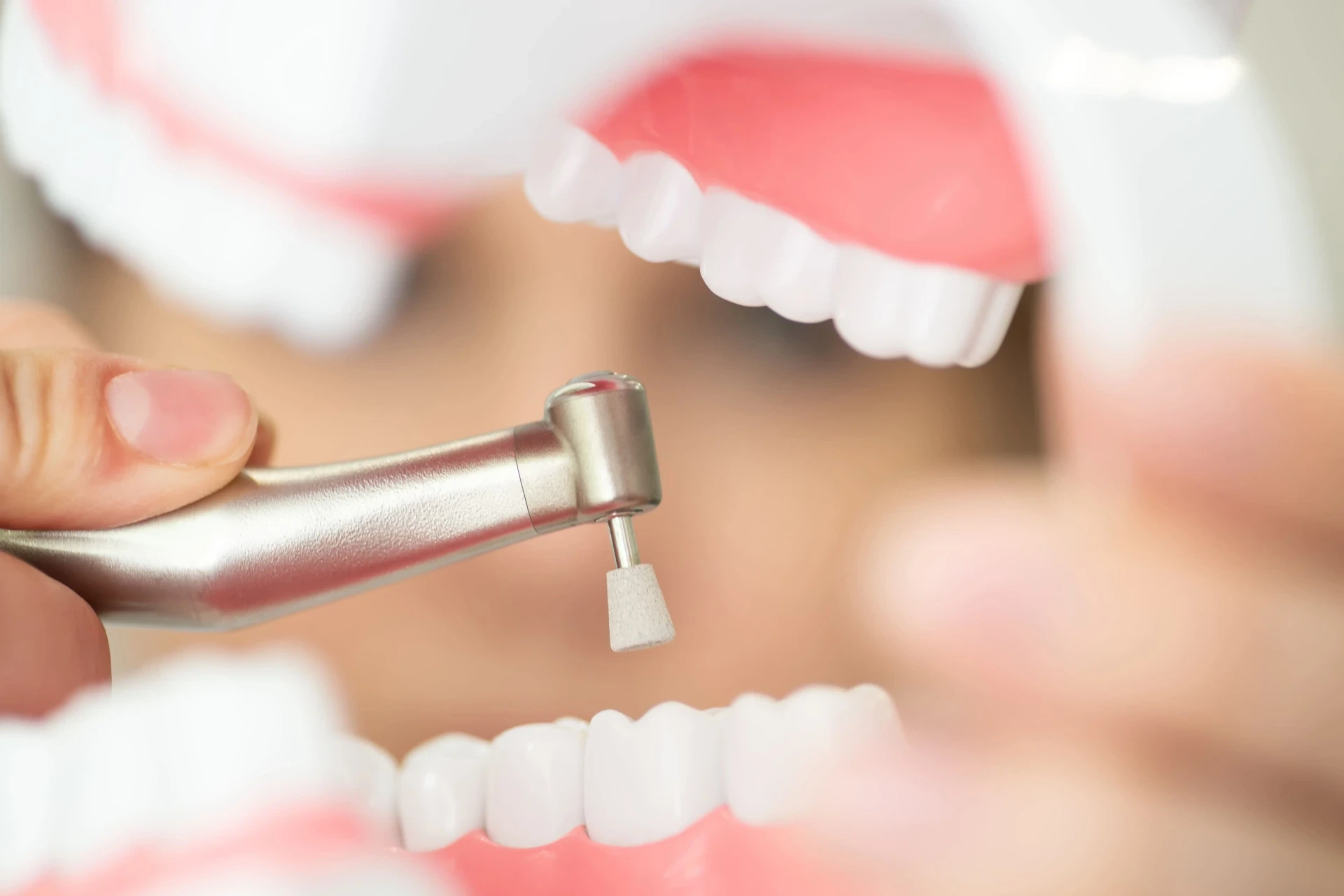
Air polishing directs a controlled stream of air, water, and fine powder onto the teeth. It is especially useful for lifting soft plaque and external stains from coffee, tea, tobacco, or strongly coloured foods, including areas that are awkward to polish conventionally.
It complements—rather than replaces—scaling. Hardened calculus must still be removed with scaling instruments, while air polishing refines the final clean and can make the tooth surfaces feel smooth and fresh.
Who is it for?
- Patients with external staining from drinks, food, or tobacco.
- People who want a more thorough finish after appropriate scaling.
- Selected patients with braces, implants, or restorations where the dentist considers air polishing suitable.
What to expect
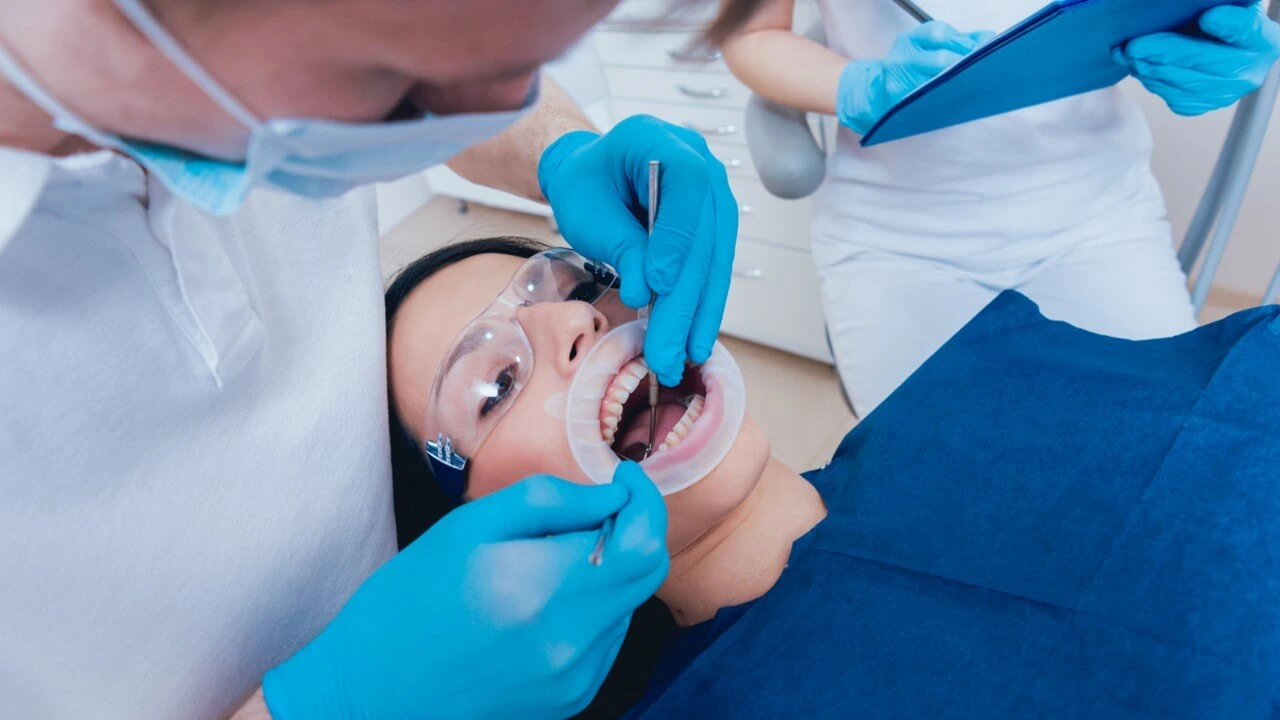
- 01We assess the stains, gums, restorations, and any areas of sensitivity.
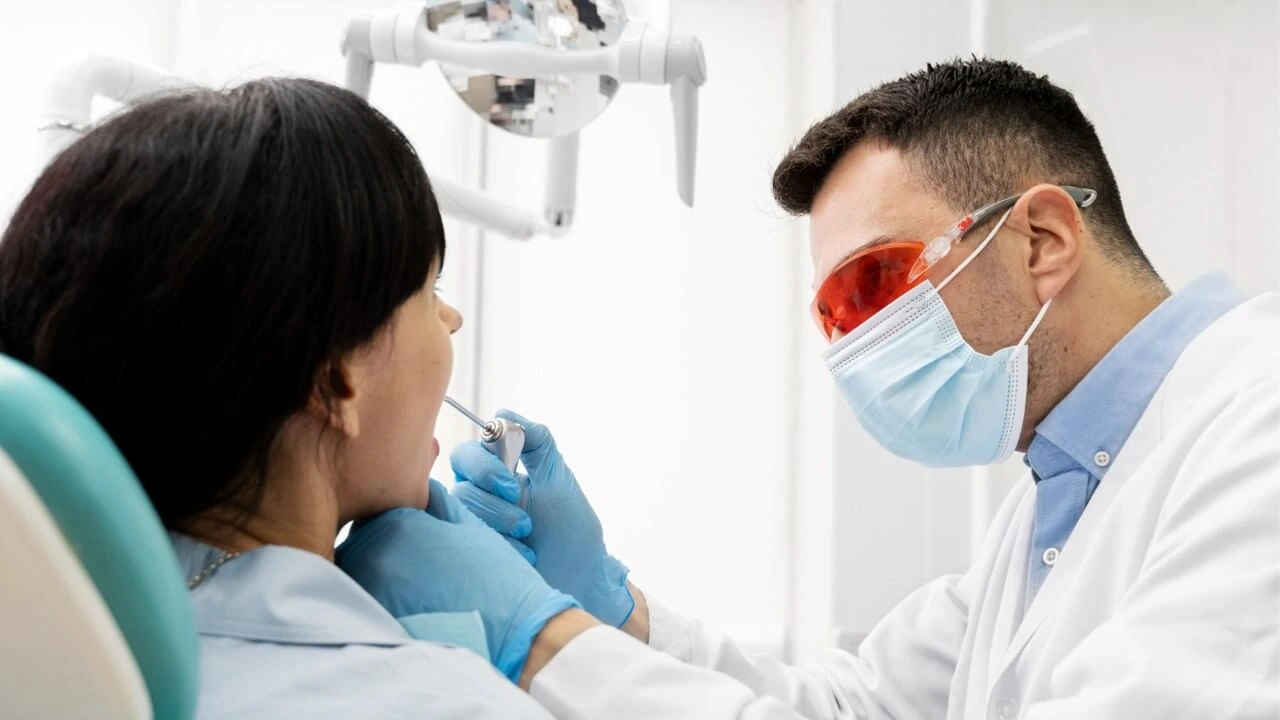
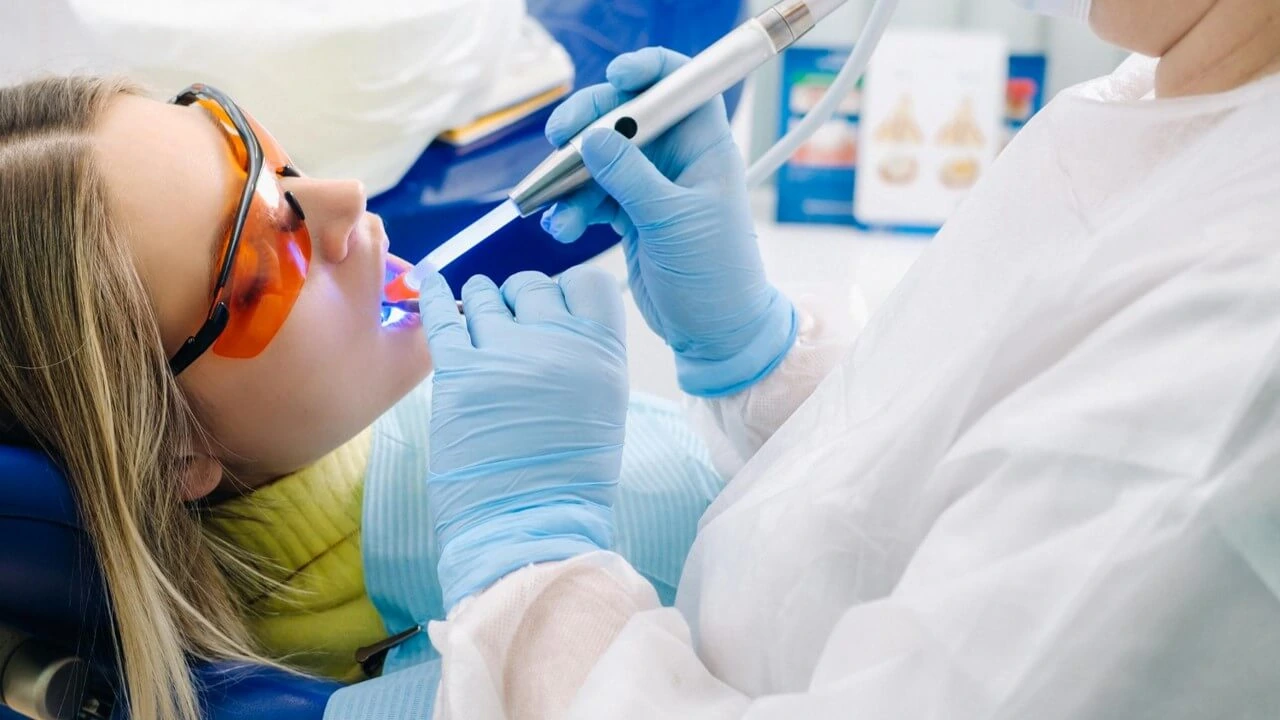
- 02Protective measures are placed and the powder-water stream is directed over selected surfaces.
- 03Your mouth is rinsed and the result is checked.
- 04We explain how to limit future staining without over-cleaning the teeth.
Benefits
- Efficient removal of soft plaque and many external stains.
- Comfortable cleaning with minimal heat or vibration.
- Access to grooves and spaces that can be difficult to polish.
- A cleaner, smoother feel without changing healthy tooth structure.
Frequently asked questions
Is air polishing the same as teeth whitening?
No. Air polishing removes surface stain; Teeth Whitening lightens the natural shade within the tooth.
Can air polishing remove calculus?
No. Hardened calculus requires Scaling. Air polishing is used for soft deposits and stain.
Is air polishing suitable for sensitive teeth?
Often yes, but sensitivity, gum condition, and exposed root surfaces must be assessed first. We can adjust the technique or recommend another approach.
How long do the results last?
That depends on diet, smoking, oral hygiene, and how quickly you naturally develop stain. We will suggest a sensible review interval rather than polishing unnecessarily.