
Overview
Crowns
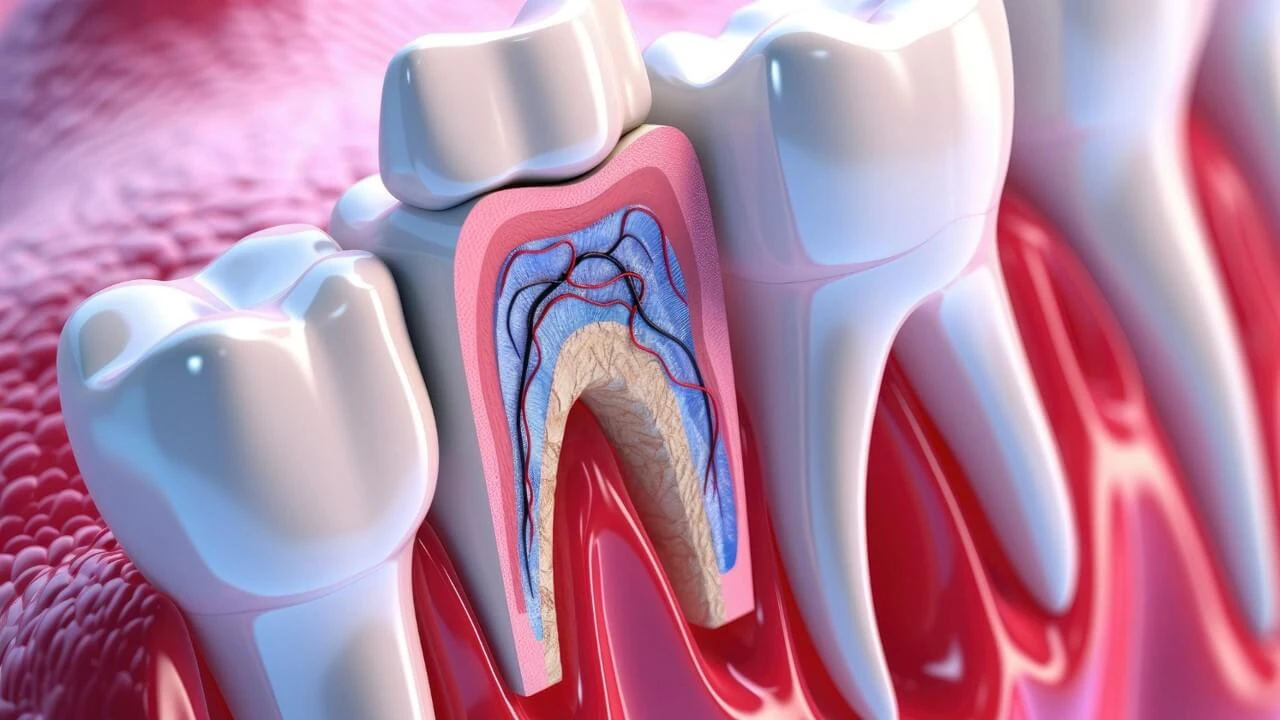
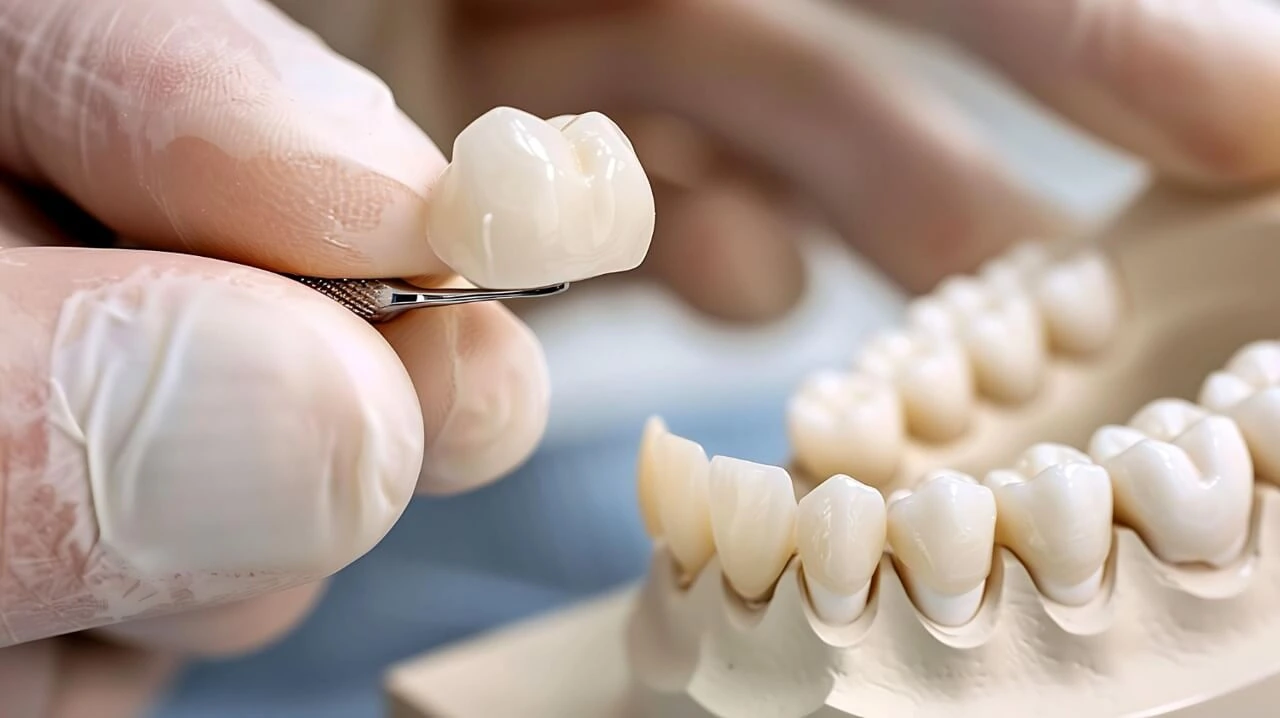
A dental crown is a custom-made cap that fits over a whole tooth, restoring its shape, size, strength, and appearance. Crowns are often recommended when a tooth is too damaged for a filling — for example after extensive decay, a large old filling, a crack, or root canal treatment — because they hold the remaining tooth together and protect it from breaking under the force of chewing.
We assess how much healthy tooth remains and how the tooth functions in your bite before recommending a crown. You have material choices: all-porcelain or ceramic crowns give the most natural look and are ideal for front teeth, while metal-based (porcelain-fused-to-metal) crowns offer extra strength for back teeth that take heavier chewing loads. We help you choose based on the tooth’s position and your priorities.
The crown is made to match your natural teeth in shade and shape, and we check your bite carefully so it feels secure and comfortable. With good care, a well-fitted crown can last many years.
Bridges
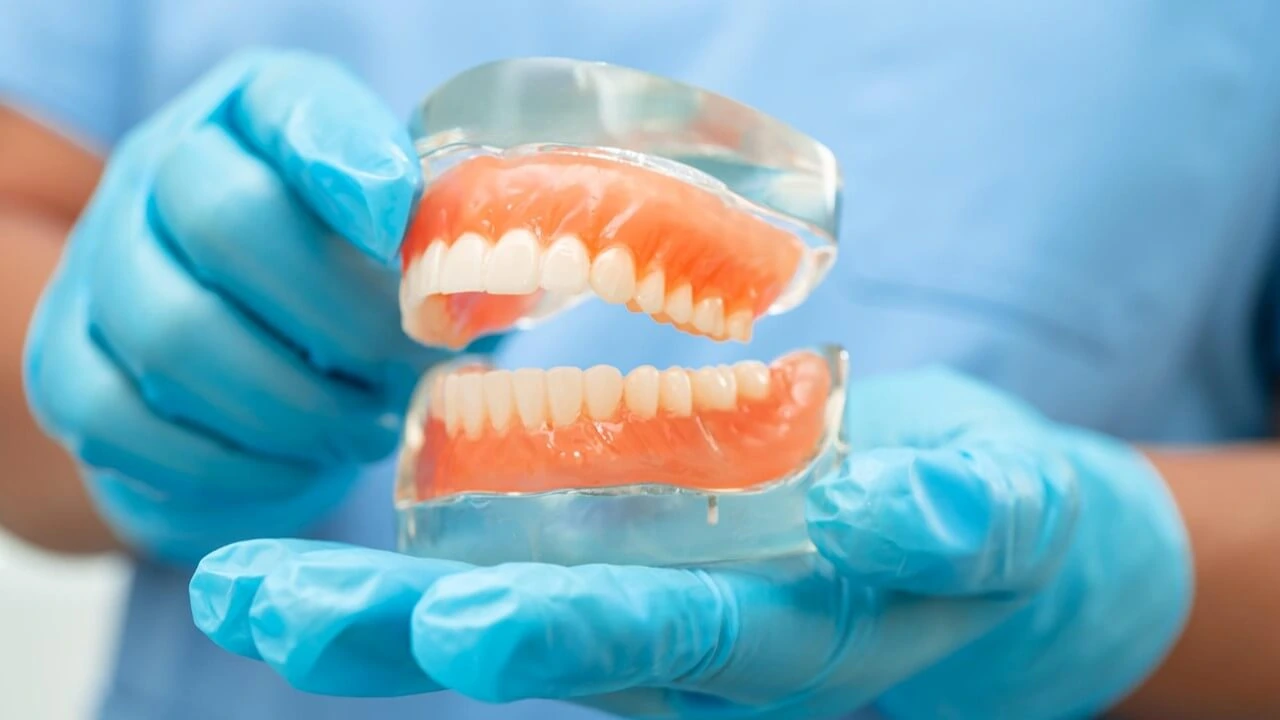
A missing tooth affects more than appearance — it can make chewing and speaking harder, put extra load on the remaining teeth, and let nearby teeth drift into the space over time. A dental bridge closes that gap with a fixed row of teeth that anchors to the natural teeth (or implants) on either side, so it stays firmly in place and never needs removing.
A bridge feels and functions much like your own teeth. The trade-off is that a conventional bridge involves reshaping the neighbouring teeth so they can carry the crowns that hold the replacement tooth. Where preserving those teeth matters, we’ll compare a bridge with a dental implant — which replaces the tooth without affecting its neighbours — so you can choose with full information.
We assess your gums, the teeth beside the gap, and your bite, then plan a bridge that fits your oral health, lifestyle, and budget. The goal is a comfortable, natural-looking result that restores function and is easy to keep clean.
Who is it for?
- Crowns suit teeth that are too weak or damaged for a filling — for example after a large cavity, a fractured cusp, a crack, or a big old filling that keeps failing.
- They’re routinely recommended after root canal treatment, since a treated back tooth becomes more brittle and a crown protects it from breaking.
- They also restore worn-down teeth and improve the appearance of a badly discoloured or misshapen tooth where a veneer wouldn’t be enough.
- They’re not the answer for every situation — a small cavity is better treated with a filling, and a missing tooth needs a bridge or implant rather than a crown. We’ll recommend the most conservative option that will work.
- This isn’t a self-diagnosis checklist — we assess the tooth and your bite in person, often with an X-ray, before recommending a crown.
- Bridges suit people missing one or a few teeth in a row who want a fixed, non-removable replacement for chewing, speech, and smile appearance.
- A bridge works best when the teeth beside the gap and the gums are healthy enough to provide a stable foundation; we treat decay or gum disease first and compare an implant where that may preserve neighbouring teeth better.
What to expect
- 01Assessment & planning — we examine the tooth, check how much healthy structure remains, take an X-ray if needed, and discuss the best crown material for its position.
- 02Preparing the tooth — under local anaesthesia, the tooth is shaped so the crown can fit over it, and any decay is removed. We take an impression or digital scan.
- 03Temporary crown — a temporary crown protects the tooth while your permanent one is made (unless we’re using same-day technology).
- 04Fitting the crown — your custom crown is checked for fit, shade, and bite, then cemented securely in place.
- 05Bite check & care — we make final adjustments so it feels natural and show you how to care for it so it lasts.
- 06Bridge assessment & planning — we examine the gap, neighbouring teeth, gums, and bite, take X-rays if needed, and compare a bridge with an implant where appropriate.
- 07Bridge preparation & impressions — the anchor teeth are gently shaped to receive crowns, then we take a detailed impression or digital scan.
- 08Bridge fabrication & temporary — your shade-matched bridge is custom made; a temporary may protect the area while it is being made.
- 09Bridge fitting, adjustment & care — we check the fit, bite, and comfort, cement the bridge securely, and show you how to clean under and around it.
Benefits
- Protects and strengthens — holds a weakened or cracked tooth together and shields it from further damage.
- Restores full function — lets you bite and chew normally on a tooth that was previously fragile.
- Natural appearance — porcelain and ceramic crowns are colour-matched to blend with your smile.
- Long-lasting — with good hygiene and care, a well-made crown can serve you for many years.
- Restores missing-tooth function — a bridge makes chewing and speaking easier and more comfortable.
- Fixed and stable — a bridge is cemented in place and feels close to natural teeth.
- Protects the remaining smile — closing a gap helps stop nearby teeth from drifting or tilting into it.
Crowns & bridges compared with other options
Crowns restore a weakened tooth; bridges replace a missing tooth. We will help you compare the alternatives for your specific needs.
| Service | Addresses | Invasiveness |
|---|---|---|
| Crown & Bridge | A weakened, cracked, or heavily restored tooth needing full cover | Reshapes the whole tooth; no surgery |
| Dental Implant | Replacing a missing tooth without reshaping its neighbours | Minor oral surgery; fixed and independent |
| Dental Filling | Smaller cavities and localised areas of damage | Conservative; removes only decay |
| Veneer | Cosmetic front-tooth concerns on otherwise healthy teeth | Covers the front surface only |
Frequently asked questions
How long do dental crowns last?
With good care, dental crowns typically last around 10 to 15 years, and often longer. Their lifespan depends on the material, the tooth’s position, your bite, and your oral hygiene. Keeping up brushing, flossing, and regular checkups helps a crown last as long as possible.
Does getting a crown hurt?
Preparing and fitting a crown is done under local anaesthesia, so you shouldn’t feel pain during the procedure. The tooth may be a little sensitive for a few days afterwards, especially if it hasn’t had root canal treatment, but this usually settles quickly.
What’s the difference between a crown and a filling?
A filling repairs a smaller area of damage within a tooth, keeping most of the tooth intact. A crown covers the entire tooth and is used when there isn’t enough healthy structure left for a filling to be reliable. We recommend the more conservative option whenever it will work.
Do I need a crown after a root canal?
Often yes, especially for back teeth. A root-treated tooth becomes more brittle and prone to fracture, so a crown protects it and restores full chewing strength. We’ll advise whether your specific tooth needs one based on how much structure remains.
What are crowns made of, and which is best?
Common options are all-porcelain or ceramic (most natural-looking, ideal for front teeth) and metal-based porcelain-fused-to-metal (extra strength for back teeth). The best choice depends on the tooth’s position and your priorities for appearance versus strength, which we’ll discuss with you.
Will my crown look natural?
Yes. Porcelain and ceramic crowns are matched to the shade and shape of your surrounding teeth, so a well-made crown blends in and is very hard to spot, particularly on front teeth.
How should I care for a crowned tooth?
Care for it just like a natural tooth — brush twice a day, clean between your teeth daily, and avoid biting very hard objects that could damage it. Regular checkups let us monitor the crown and the tooth underneath it.
How much do dental crowns cost in Malaysia?
Cost depends mainly on the crown material and the tooth involved. We give you a clear quote after assessing the tooth — contact your nearest Tooth Buddy clinic for current pricing.
What is a dental bridge?
A bridge is a fixed replacement for one or more missing teeth. One or more replacement teeth (pontics) are held by crowns cemented onto the natural teeth or implants on either side of the gap, so the bridge stays in place rather than being removed like a denture.
Should I choose a bridge or an implant?
A bridge is fixed and non-surgical but normally requires reshaping the neighbouring teeth as anchors. An implant replaces a tooth without affecting its neighbours, but involves minor surgery and a longer timeline. We assess your bone, gums, neighbouring teeth, and budget before recommending either option.
How long does a dental bridge last?
A well-cared-for bridge often lasts around 10–15 years or more. Its lifespan depends on keeping the anchor teeth and gums healthy with daily cleaning and regular reviews.
Do bridges damage the teeth next to them?
A conventional bridge requires reshaping the healthy teeth on either side of the gap to act as anchors. That is why we consider whether an implant might be more conservative; once fitted, keeping the anchor teeth and gums healthy is important for the bridge to last.
How do I clean a dental bridge?
Clean a bridge in place, including under the replacement tooth, with floss threaders or interdental brushes. We will show you the right technique so the supporting teeth and gums stay healthy.
How much does a dental bridge cost in Malaysia?
Cost depends on the number of teeth being replaced, the materials, and the anchor teeth involved. We provide a clear, itemised quote after your assessment — contact your nearest Tooth Buddy clinic for current pricing.