
What Is a Dental Implant?
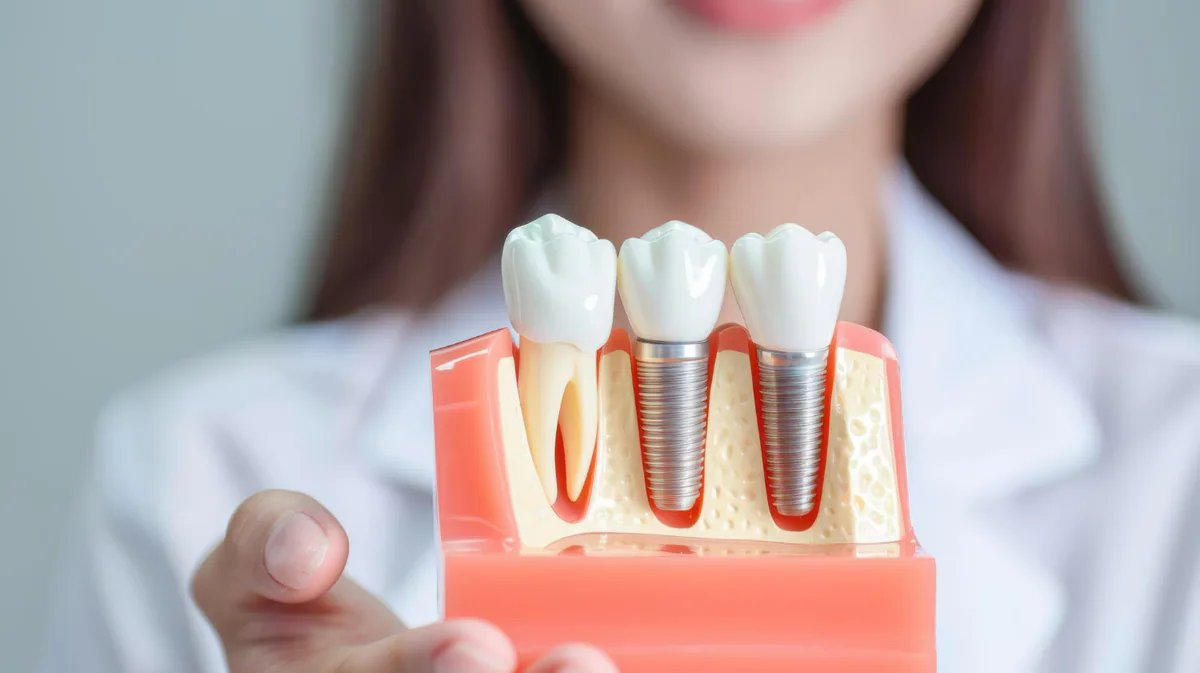
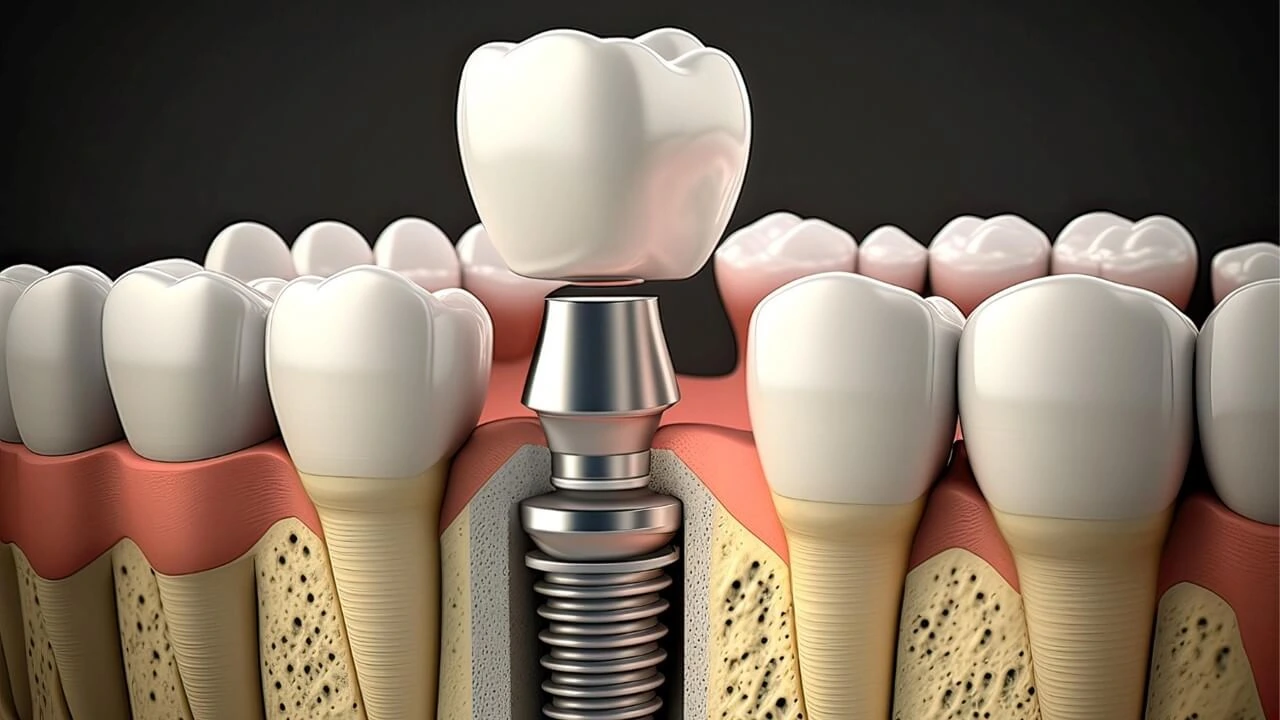
A dental implant is a small titanium post placed in the jawbone to replace the root of a missing tooth. After it integrates with the bone during healing, it can support a custom-made crown that looks and functions like a natural tooth.
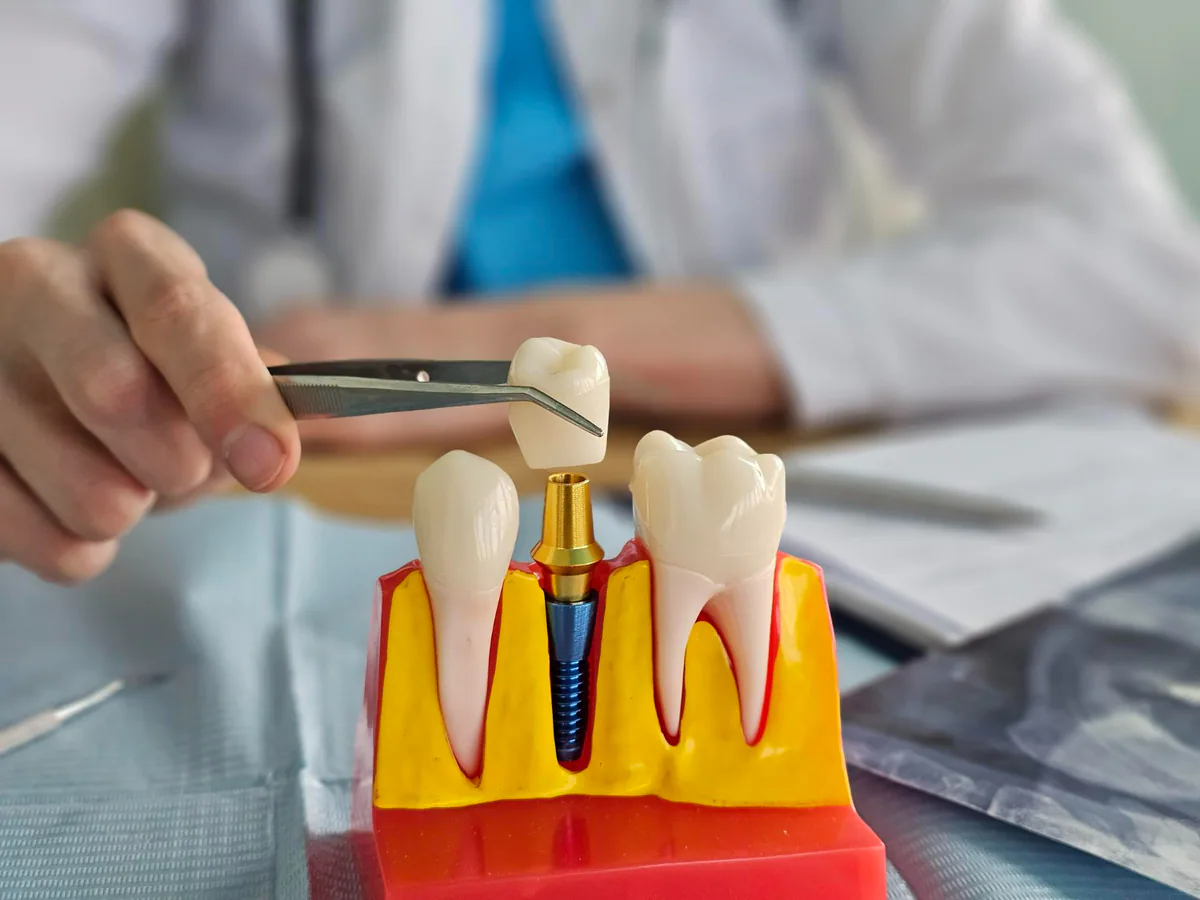
A complete implant tooth usually consists of three parts: the implant placed in the jawbone, the abutment that connects the implant to the crown, and the crown that forms the visible tooth.
Suitability depends on factors such as your gum health, amount of available bone, general health and habits such as smoking. Our dentist will assess these factors and explain the treatment stages, healing period and ongoing care before treatment begins.
Get in Touch TodaySigns You May Want to Consider a Dental Implant
Dental implant treatment may be worth considering if you:
- Have one or more missing teeth
- Have a tooth that cannot be saved and needs to be removed
- Have difficulty chewing because of missing teeth
- Want a fixed replacement instead of a removable denture
- Have several missing teeth or are missing most or all teeth in one jaw
Dental implants are not suitable for everyone. Our dentist will assess your gums, jawbone, general health and treatment needs before recommending the most suitable tooth replacement option.
Book An AppointmentDental Implant Options We Offer
Choose from different dental implant options based on the number of missing teeth and your treatment needs.
Single Tooth Implant
A single dental implant is used to replace one missing tooth and supports a custom-made crown.
Multiple Tooth Implants
Two or more implants can be used to replace several missing teeth, either with individual crowns or an implant-supported bridge, depending on the number and position of the missing teeth.
Full Arch Dental Implants
For patients missing most or all teeth in one jaw, several implants can support a full arch of replacement teeth. Depending on your bone condition and treatment plan, this may include options such as All-on-4 or All-on-6.
How Does Dental Implant Treatment Work?
- 01
Consultation and Dental Assessment
Our dentist will discuss your concerns, medical history and treatment goals, then examine your teeth, gums and bite. The necessary dental X-rays, and a 3D CBCT scan when indicated, are taken to assess the jawbone and plan the implant position.
- 02
Personalised Implant Plan
If dental implant treatment is suitable for you, our dentist will plan the implant position, treatment stages and expected timeline. If there is not enough bone to support the implant, additional treatment such as bone grafting may be discussed.
- 03
Implant Placement
The dental implant is placed into the jawbone under local anaesthesia using a 3D-printed surgical guide based on the planned implant position to improve placement accuracy. Depending on your condition and treatment plan, a temporary tooth may be provided while the area heals.
- 04
Healing and Progress Reviews
The implant is given time to integrate with the jawbone before the final crown is fitted. Healing usually takes around 3 to 6 months, depending on your bone condition and individual healing. Regular review appointments are carried out to monitor your progress.
- 05
Final Crown Placement
Once the implant has healed and is stable, the final crown is made and fitted. Our dentist will check its fit and bite and advise you on cleaning and ongoing implant care.
Why Choose Dental Implant Treatment?
Dental implants offer a fixed way to replace missing teeth and restore everyday function. Some key benefits include:
Stable and Fixed
Dental implants are anchored in the jawbone, providing a stable base for a crown, bridge or full arch restoration.
Supports Chewing Function
Implant supported teeth can help restore chewing ability and provide better stability compared with removable tooth replacement options.
Natural Looking
The final crown or restoration is designed to match the shape and appearance of your surrounding teeth.
Helps Maintain Jawbone
Dental implants transfer chewing forces to the jawbone and can help reduce bone loss in the area where teeth are missing.
Does Not Rely on Neighbouring Teeth
For a single missing tooth, an implant can support its own crown without using the neighbouring teeth for support.
Dental Implant Before & After Results
Explore how dental implant treatment can replace missing teeth and help restore your smile and function.
What Our Patients Say
Hear what our patients say about their experience at Tooth Buddy Dental Clinic.
Frequently asked questions
What is a dental implant?
A dental implant is a small titanium post placed in the jawbone to replace a missing tooth root. It can support a crown, bridge or full arch restoration.
How long does a dental implant take from start to finish?
Dental implant treatment usually takes several months. After the implant is placed, the jawbone needs time to integrate with it before the final crown or restoration is fitted. Healing often takes around 3 to 6 months, but the overall timeline may be longer if bone grafting, extraction or other procedures are needed.
Does getting a dental implant hurt?
The area is numbed with local anaesthesia during implant placement, so you should not feel pain during the procedure. Mild soreness, swelling or discomfort may occur afterwards and usually improves as the area heals. Your dentist will advise you on suitable pain relief and aftercare.
How long do dental implants last?
With good oral hygiene, regular dental reviews and proper care, dental implants can last for many years and sometimes decades. The crown or restoration attached to the implant may need to be repaired or replaced over time.
What does a dental implant include and why do prices vary?
A complete single tooth implant usually includes the implant placed in the jawbone, an abutment and the final crown. The total cost can vary depending on the implant system, type of crown, number of implants and whether additional treatment such as bone grafting is needed. After your assessment, Tooth Buddy will provide a treatment plan and quotation based on your individual needs.
Am I too old for dental implants?
Age alone does not usually determine whether you can have dental implants. What matters more is your jawbone, gum health, general health and ability to heal properly. Dental implants are generally considered after jaw growth is complete.
What if I do not have enough bone for a dental implant?
If there is not enough jawbone to support an implant, bone grafting may be recommended. For some upper jaw cases, a sinus lift may also be considered. Your dentist will assess your bone condition and discuss whether these procedures or another tooth replacement option is more suitable.
Can dental implants replace all my teeth?
Yes. Several dental implants can support a full arch of replacement teeth in the upper or lower jaw. Depending on your bone condition and treatment plan, this may include options such as All-on-4 or All-on-6.
How much do dental implants cost in Malaysia?
The cost of dental implants in Malaysia varies depending on the number of implants required, the implant system, type of restoration and whether additional procedures such as bone grafting are needed. Tooth Buddy will provide a personalised quotation after your dental assessment.

Ready to Restore Your Smile?
Tooth Buddy Dental Clinic welcomes patients at our clinics in Banting, Quayside Mall, Dengkil, Semenyih, Bandar Sungai Long and Jenjarom.
Whether you need to replace a missing tooth or explore your treatment options, our team can assess your condition and recommend a suitable treatment plan. At Tooth Buddy, we focus on personalised care, modern dental technology and clear guidance throughout your treatment journey.
Contact your nearest Tooth Buddy Dental Clinic to arrange an appointment.