


Overview
A filling repairs a tooth damaged by decay. We remove the decayed part, clean the area, and fill the space to restore the tooth’s shape, strength, and function — stopping the cavity from growing deeper and eventually reaching the nerve. Treating decay early with a filling is what keeps a small problem from becoming a root canal or an extraction later.
We use tooth-coloured composite, a durable, mercury-free material that bonds directly to the tooth and is matched to your natural shade, so the repair is discreet and blends in. Unlike older silver amalgam, composite lets us keep more of the healthy tooth and looks natural even on front teeth.
Fillings are best suited to small and medium cavities. When decay is more extensive and too little healthy tooth remains, a filling may not hold reliably and an inlay, onlay, or crown gives a stronger, longer-lasting result — we’ll always recommend the most conservative option that will actually last. We finish by checking your bite so the restored tooth feels comfortable straight away.
Who is it for?
- Fillings are for teeth with small to medium cavities caused by decay, which we often detect at a checkup before they cause any pain.
- They’re also used to repair minor chips or small areas of wear, and to replace old, worn, or leaking fillings that are letting decay back in.
- They suit patients who want a natural-looking, mercury-free repair that blends with their teeth — composite works well on both front and back teeth.
- When a cavity is very large or the tooth is significantly broken down, a filling may not be strong enough and a crown, inlay, or onlay is a better long-term choice; we’ll advise if that applies.
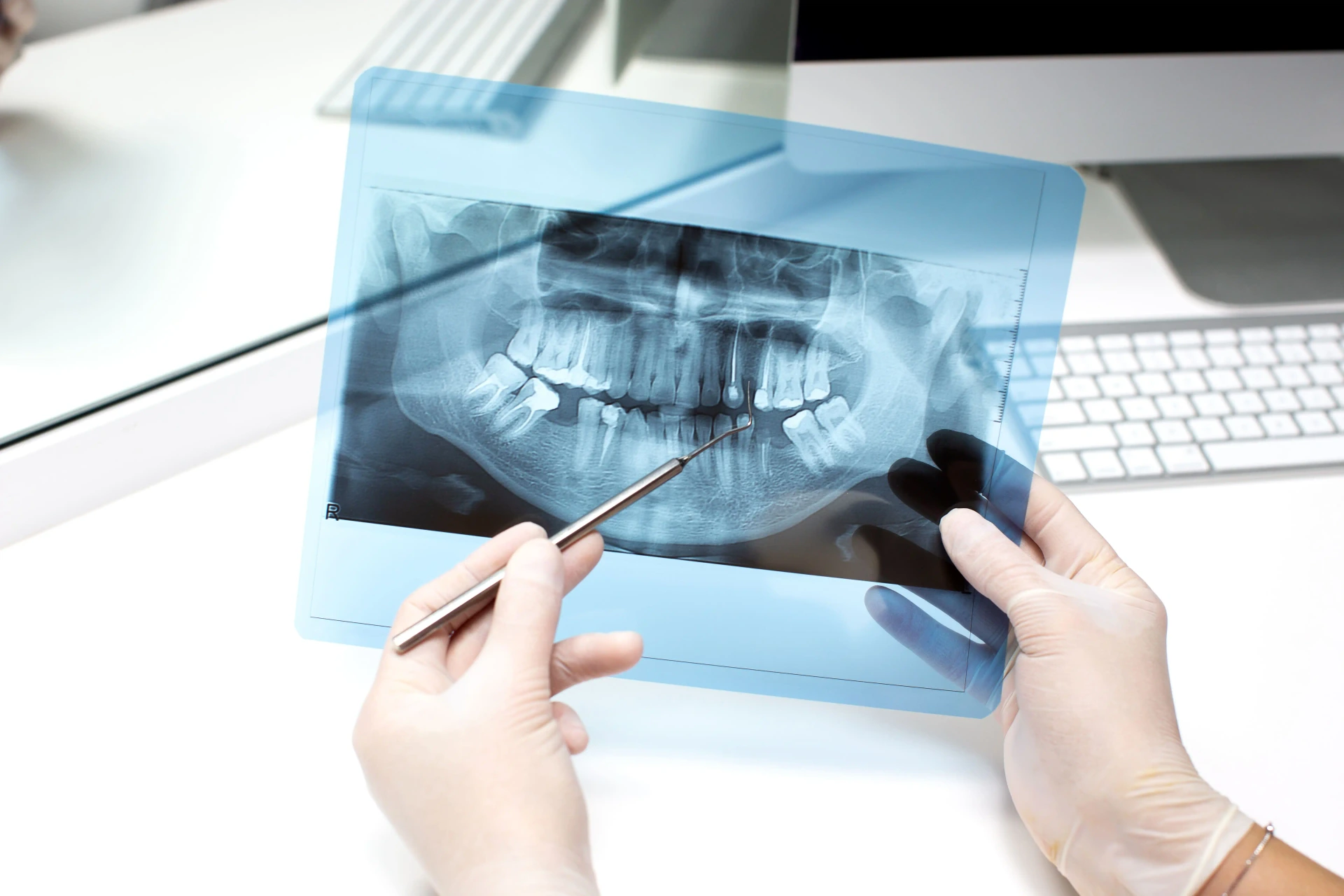
- This isn’t a self-diagnosis checklist — we examine the tooth (sometimes with an X-ray to check between teeth) and confirm a filling is the right treatment before proceeding.
What to expect
- 01Assessment — we examine the tooth and may take an X-ray to see the full extent of the decay, including between teeth where it’s hard to see.
- 02Numbing if needed — for anything beyond a very shallow cavity, we numb the area with local anaesthesia so treatment is comfortable.
- 03Removing decay — we carefully remove the decayed tissue, keeping as much healthy tooth as possible, and clean the area.
- 04Placing the filling — the tooth-coloured composite is bonded and built up in layers, shaped to match your tooth, and set firm.
- 05Shaping & bite check — we shape and polish the filling, then check and adjust your bite so it feels natural for eating and speaking.
Benefits
- Natural appearance — composite is matched to your tooth shade, so the repair is virtually invisible, even on front teeth.
- Conservative and bonded — it bonds to the tooth and lets us preserve more healthy structure than older materials.
- Mercury-free — a metal-free alternative to traditional silver amalgam fillings.
- Stops decay progressing — sealing the cavity prevents it deepening toward the nerve and needing bigger treatment later.
Fillings vs. crowns vs. inlays/onlays
How much of a tooth is damaged decides the right repair. Here’s how a filling compares with the options for larger damage.
| Service | Addresses | Invasiveness |
|---|---|---|
| Dental Filling | Small to medium cavities and minor damage | Conservative; removes only the decay |
| Dental Crowns | Heavily decayed, cracked, or weakened teeth | Covers the whole tooth for full protection |
| Root Canal Treatment | Decay that has reached the nerve inside the tooth | Treats the pulp; the tooth is then restored |
Frequently asked questions
How long do tooth-coloured fillings last?
With good oral hygiene, composite fillings typically last around 5 to 10 years, and often longer, depending on the size of the filling, its location, and your bite and habits. We check your fillings at each visit and can replace them before a small problem becomes a bigger one.
Are tooth-coloured fillings as strong as silver amalgam?
Modern composite materials are strong and bond directly to the tooth, and they perform very well for small to medium cavities. For very large cavities under heavy chewing forces, a crown, inlay, or onlay may be more durable — we’ll recommend the best option for your specific tooth.
Does getting a filling hurt?
For anything more than a very shallow cavity, we numb the tooth with local anaesthesia so you shouldn’t feel pain. The tooth may be a little sensitive to hot or cold for a few days afterwards, which usually settles on its own.
Can I replace my old silver fillings with tooth-coloured ones?
Yes. Many patients choose to replace old or worn amalgam fillings with tooth-coloured composite for a more natural look. We’ll assess whether a filling is best replaced, and whether composite or another restoration suits that particular tooth.
Why do I need a filling if my tooth doesn’t hurt?
Cavities often cause no pain until they’re deep, so we catch many at a checkup while they’re still small. Filling them early is quick, conservative, and prevents the decay reaching the nerve — which would mean a root canal or extraction instead of a simple filling.
What can I eat after a filling?
Composite fillings set immediately, so you can usually eat once the numbness wears off, being a little gentle at first. If the tooth feels high when you bite, let us know and we’ll adjust it quickly and easily.
How much do fillings cost in Malaysia?
Fillings are among the more affordable dental treatments, and the cost depends on the size and location of the cavity. We’ll confirm the price after examining the tooth — contact your nearest Tooth Buddy clinic for current pricing.