

Overview
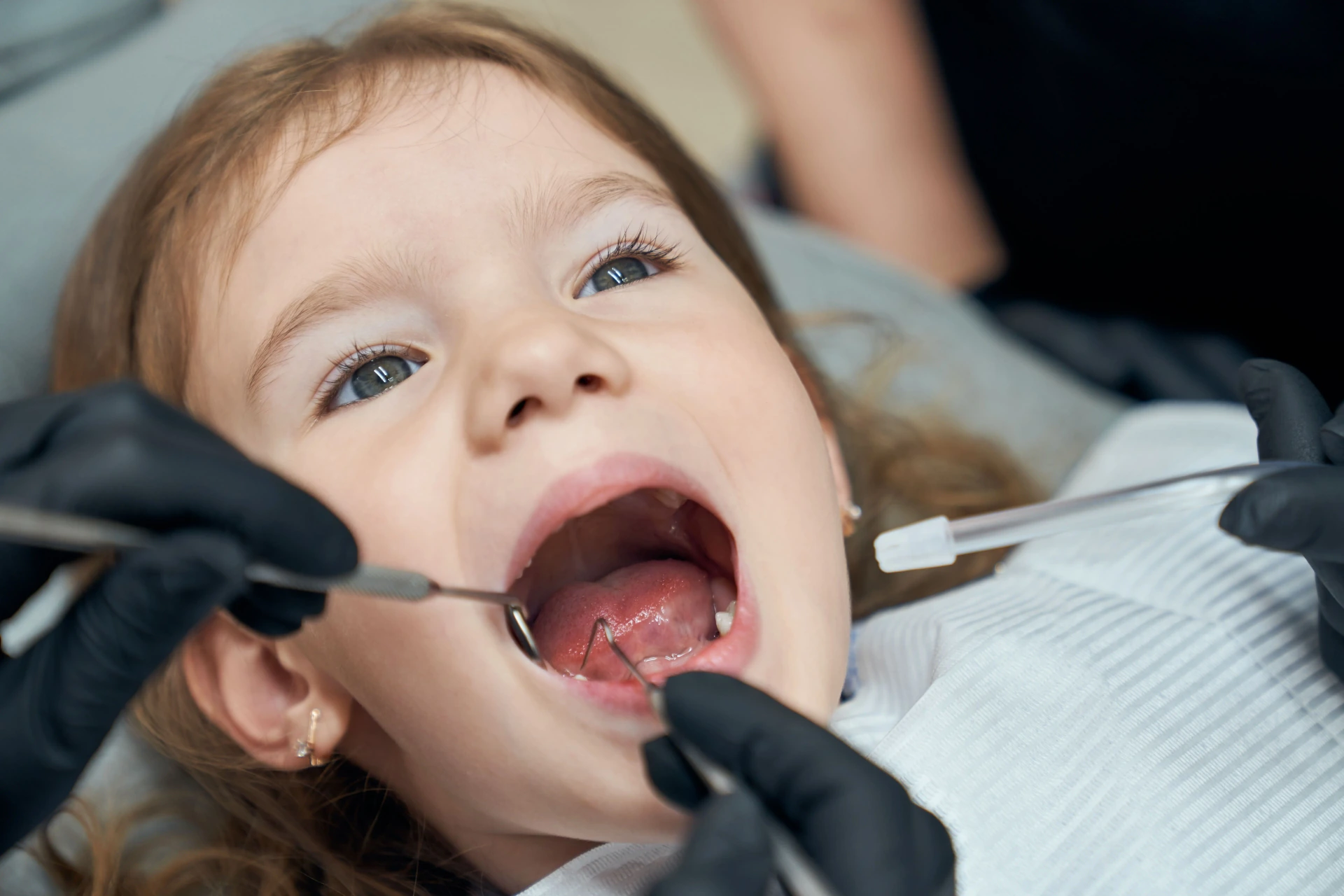
The chewing surfaces of molars often have narrow pits and fissures that a toothbrush cannot fully reach. A sealant flows into these grooves and hardens into a smooth protective barrier, making it harder for plaque and food to settle.
Sealants are usually considered soon after suitable permanent molars erupt. We first make sure the tooth is healthy, then monitor the coating at later checkups and repair or replace it only when necessary.
Who is it for?
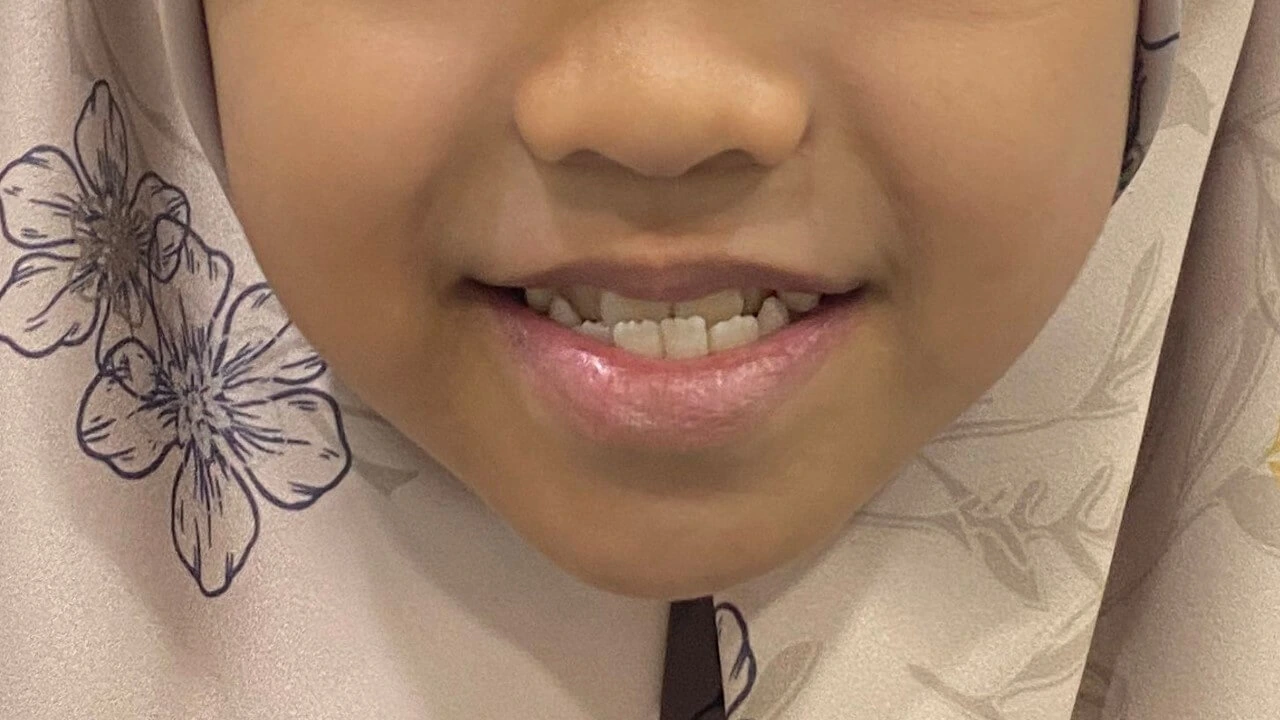
- Children with newly erupted permanent molars and deep grooves.
- Young patients whose tooth shape or cavity history increases decay risk.
- Teeth that are sound or have only very early, non-cavitated changes after assessment.
What to expect
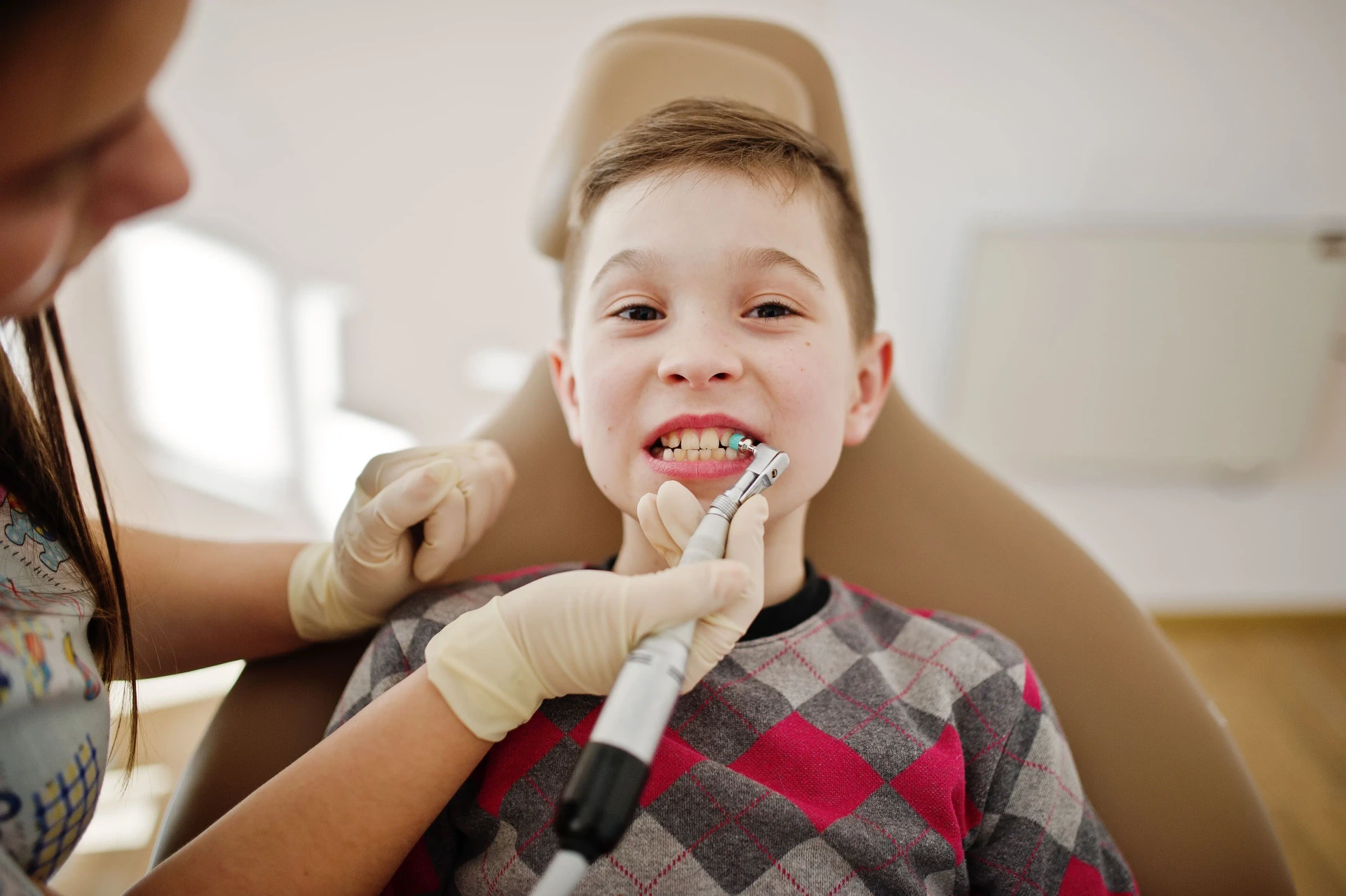
- 01The tooth is examined and cleaned.
- 02It is kept dry while the surface is prepared for bonding.
- 03The liquid sealant is placed into the grooves and hardened with a curing light.
- 04The bite is checked and the sealant is reviewed at future dental visits.
Benefits
- Creates a physical barrier over hard-to-clean grooves.
- Quick placement without injections or drilling in a sound tooth.
- Supports prevention during cavity-prone childhood years.
- Can be checked, repaired, or renewed conservatively.
Frequently asked questions
Does placing a sealant hurt?
No. The tooth is cleaned, kept dry, and coated. Anaesthetic and drilling are not normally needed when the tooth is sound.
How long does a sealant last?
It can last for several years, but wear varies. We check it during routine visits and repair or renew it if required.
Can a sealed tooth still get a cavity?
Yes, particularly between teeth or if the sealant is lost. Brushing, fluoride toothpaste, diet, and regular reviews remain important.
Is a sealant suitable for every tooth?
No. We select teeth according to groove depth, eruption stage, decay risk, and whether the surface can be kept dry enough for reliable bonding.